
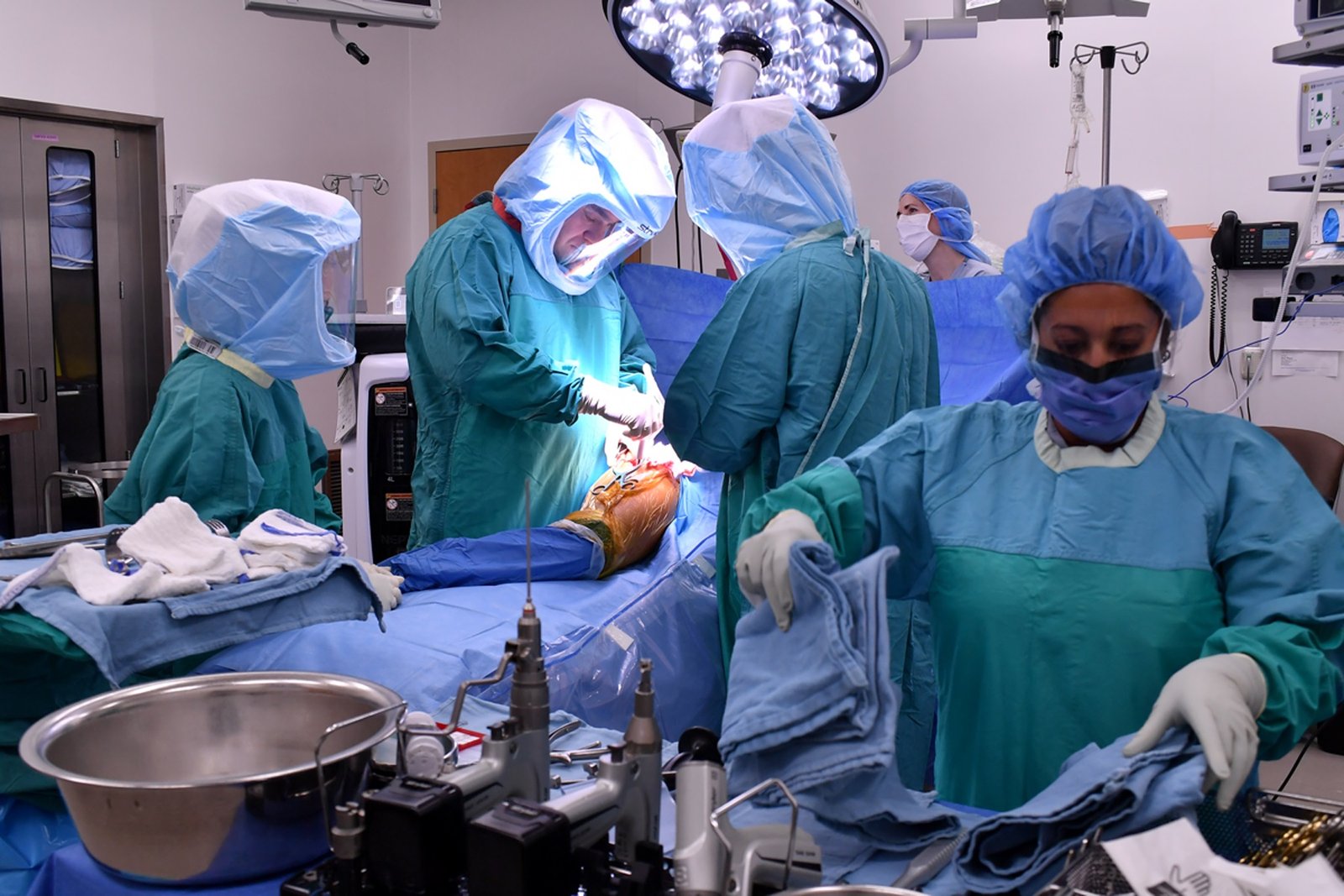
Fractures and traumatic injuries can cause sudden pain, swelling, restricted movement and difficulty using the affected part of the body. They may occur following falls, road traffic accidents, sports injuries or direct impact.
Common orthopaedic trauma includes fractures, joint dislocations and injuries involving the bones, joints and surrounding soft tissues.
Dr. Pratik Agarwal, Consultant Orthopaedic & Joint Replacement Surgeon in Siliguri, provides evaluation and treatment for a range of fractures and orthopaedic trauma. Treatment is based on the type and severity of the injury, the affected bone or joint, functional requirements and individual patient needs.
A fracture occurs when a bone is partially or completely broken. Fractures can affect different parts of the body and may range from small cracks to injuries involving significant displacement or damage around a joint.
Fractures may occur following a fall, accident, sports injury or direct impact and can sometimes be associated with injuries to surrounding tissues.
Common symptoms include:
The severity of symptoms can vary depending on the location and type of fracture.

Frozen shoulder typically develops in stages, with pain and stiffness changing over time. Recovery can take several months, and some patients may experience prolonged restriction of movement without appropriate treatment.
Fractures may occur because of:
The force required to cause a fracture can vary depending on the strength and condition of the bone.
Diagnosis usually involves a detailed medical history and physical examination.
During the examination, the doctor may assess:
X-rays are commonly used to identify fractures and assess bone alignment. In selected cases, a CT scan or MRI may be advised to evaluate complex fractures or associated injuries.
Treatment depends on the type, location and severity of the fracture and whether the surrounding joint or soft tissues are involved.
Treatment may include:
Some fractures can be managed without surgery, while others may require surgical treatment to restore alignment and stability.
A joint dislocation occurs when the bones forming a joint are forced out of their normal position. Dislocations may affect the shoulder, elbow, hip, knee, fingers or other joints.
A dislocation may occur following a fall, accident, sports injury or sudden force and can sometimes occur together with a fracture or injury to the surrounding ligaments and tissues.
Common symptoms include:
A suspected joint dislocation requires prompt medical evaluation.
A joint dislocation may occur because of:
Previous dislocation can increase the risk of recurrent instability in some patients.
Diagnosis involves a physical examination and assessment of the affected joint.
The doctor may assess:
X-rays are commonly used to confirm the dislocation and identify associated fractures. Additional imaging such as MRI or CT may be recommended in selected cases to assess bones, ligaments, cartilage or other structures.
Initial treatment usually involves reduction, where the joint is carefully returned to its normal position by a trained medical professional.
Further treatment depends on:
Treatment may include:
Dr. Pratik Agarwal can evaluate a joint dislocation and assess the condition of the affected joint and its supporting structures.
Based on the injury, clinical examination and appropriate imaging, he can recommend a suitable treatment approach.
For selected patients with recurrent instability or significant structural damage, surgical treatment may be considered. Rehabilitation plays an important role in restoring movement, strength and stability.
Some traumatic injuries involve both a fracture and damage to a nearby joint. These injuries can affect joint alignment, stability and movement and may require careful assessment.
Fractures around the knee, shoulder, hip or ankle may involve the joint surface and can sometimes be associated with additional soft-tissue injuries.
Common symptoms include:
Symptoms vary depending on the location and severity of the injury.
These injuries may occur following:
Diagnosis involves a clinical examination and appropriate imaging.
Depending on the injury, the doctor may recommend:
Imaging helps assess the fracture pattern, bone alignment, joint involvement and associated injuries.
Treatment depends on the fracture pattern, joint involvement, stability and overall condition of the patient.
Treatment may include:
The treatment approach is determined after assessing the specific injury and its effect on the joint.
Dr. Pratik Agarwal can evaluate traumatic injuries involving fractures and joints and assess the extent of bone and joint involvement.
Based on clinical examination and appropriate imaging, he can recommend a treatment plan according to the injury and the patient’s functional requirements.
Treatment may include non-surgical management, fracture reduction, rehabilitation or surgical treatment in selected cases.
Fractures and traumatic injuries can vary significantly in their severity and may involve the bones, joints, ligaments or surrounding soft tissues. Identifying the extent of the injury is therefore important before deciding on treatment.
Dr. Pratik Agarwal, Consultant Orthopaedic & Joint Replacement Surgeon in Siliguri, evaluates and treats a range of fractures, dislocations and orthopaedic trauma.
His approach may include:
Whether you are experiencing a fracture, joint dislocation or traumatic joint injury, an appropriate evaluation can help determine the extent of the injury and guide treatment.
Treatment recommendations are based on the injury, severity, functional requirements, activity level and individual recovery goals.
Fractures can affect almost any bone in the body. Common examples include fractures of the wrist, arm, shoulder, hip, thigh, leg, ankle and foot.
Pain, swelling, bruising, tenderness, difficulty moving the affected area or inability to bear weight may occur with a fracture. Imaging is often required to confirm the diagnosis.
No. Some fractures can be managed with casts, splints or other non-surgical treatment. Surgery may be considered for selected fractures depending on alignment, stability, joint involvement and other factors.
Avoid putting unnecessary weight or pressure on the injured area and seek appropriate medical evaluation. Do not attempt to straighten a visibly deformed limb yourself.
A fracture involves a break in a bone, while a dislocation occurs when the bones forming a joint move out of their normal position. Both can sometimes occur together.
Yes. A joint can dislocate without a fracture, although fractures and soft-tissue injuries may sometimes occur at the same time.
A dislocated joint is usually reduced by a trained medical professional. Further treatment may include immobilisation, physiotherapy, rehabilitation and, in selected cases, surgical stabilisation.
Healing time varies depending on the bone involved, fracture type, severity, age, general health and treatment. Recovery can also depend on whether the joint or surrounding tissues are involved.
Prompt medical evaluation is recommended when there is severe pain, significant swelling, deformity, inability to bear weight or use the affected limb, or suspected fracture or dislocation.
Dr. Pratik Agarwal evaluates fractures, dislocations and other orthopaedic injuries and develops treatment plans based on the type and severity of the injury. Treatment may include non-surgical management, fracture reduction, rehabilitation or surgical treatment when clinically indicated.
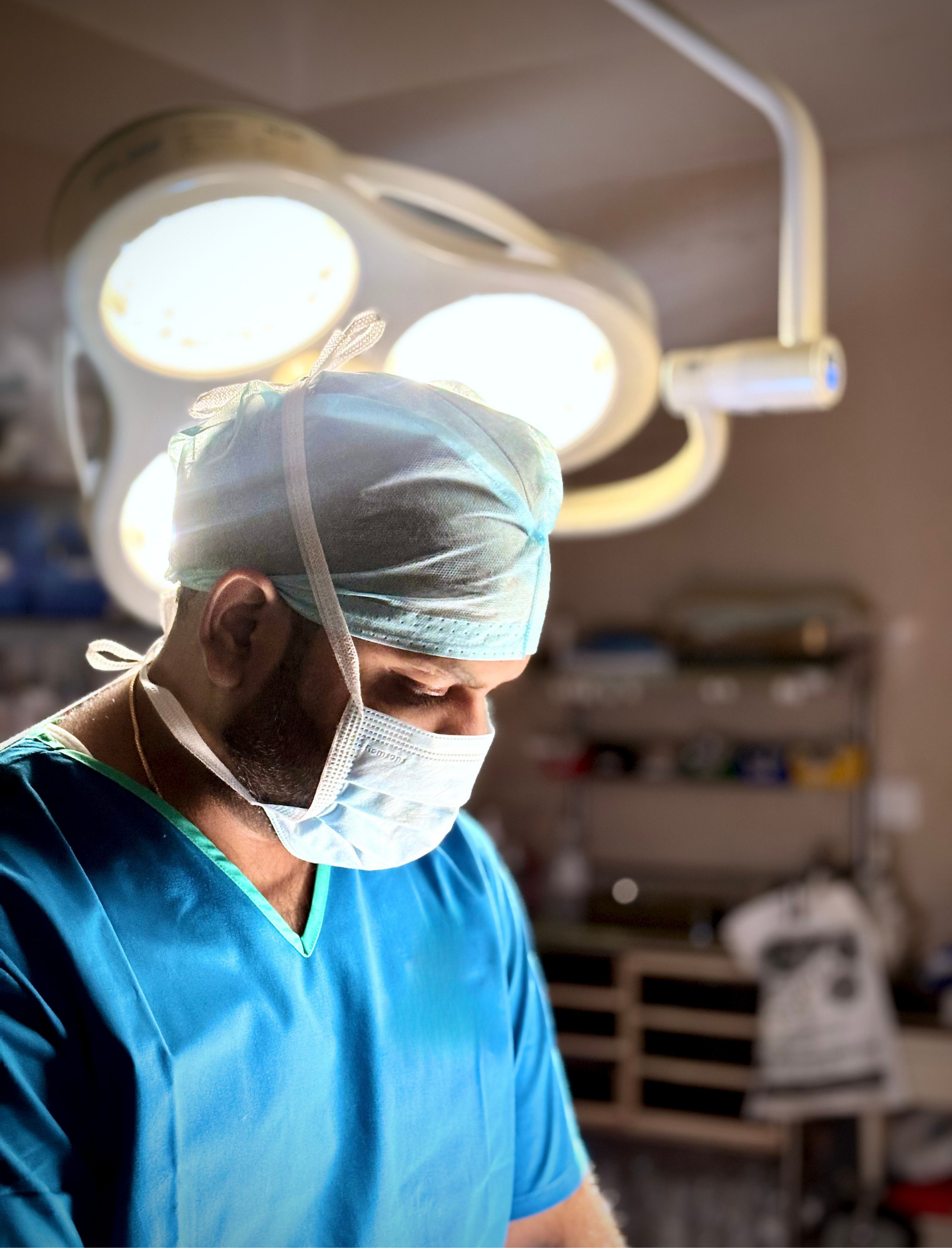
Dr. Pratik Agarwal combines specialised expertise, advanced surgical techniques and personalised care to help patients move with greater comfort and confidence.
Specialised care for painful, damaged knee and hip joints, focused on restoring movement and helping you get back to everyday life.
Modern keyhole techniques for ligament, meniscus, shoulder and sports-related injuries, with treatment adapted to your condition.
From common fractures to complex trauma, expert orthopaedic care focused on stabilising injuries and restoring function.
Every patient is different. Get evidence-based treatment planned around your condition, lifestyle and recovery goals.