
Foot and ankle problems can affect something as simple as walking, standing, exercising, or wearing your favourite shoes. Pain may develop gradually due to overuse or structural problems, or it may occur suddenly following an injury.
Foot and ankle procedures focus on diagnosing the underlying problem and providing appropriate treatment to restore comfort, movement, stability, and function.
Foot and ankle pain should not always be dismissed as a temporary problem, especially when it starts affecting your everyday activities.
You may benefit from an orthopaedic evaluation if you experience:
A bunion is a bony prominence that develops at the base of the big toe when the joint gradually becomes misaligned. It can cause pain, swelling, difficulty wearing shoes, and progressive changes in the shape of the foot.
When symptoms become persistent and non-surgical measures are no longer providing sufficient relief, bunion surgery may be considered to correct the underlying deformity and improve foot function.
Bunion Surgery May Be Considered For:
Plantar fasciitis is a common cause of heel pain caused by irritation and strain of the plantar fascia, a strong band of tissue supporting the bottom of the foot.
Treatment generally focuses on reducing pain, improving flexibility, and addressing factors that may be contributing to the condition. Depending on the severity and duration of symptoms, different treatment approaches may be considered.
Plantar Fasciitis Treatment May Include:
The Achilles tendon connects the calf muscles to the heel bone and plays an important role in walking, running, jumping, and pushing off the ground.
A sudden force or sports-related injury can cause the tendon to partially or completely tear. Depending on the nature of the injury, treatment may involve structured rehabilitation or surgical repair.
Achilles Tendon Repair May Be Considered For:
Treatment begins with an assessment of your symptoms, medical history, activity level, and foot or ankle movement. Physical examination and imaging such as X-rays, ultrasound, or MRI may be recommended when necessary.
Your treatment plan is based on factors such as:
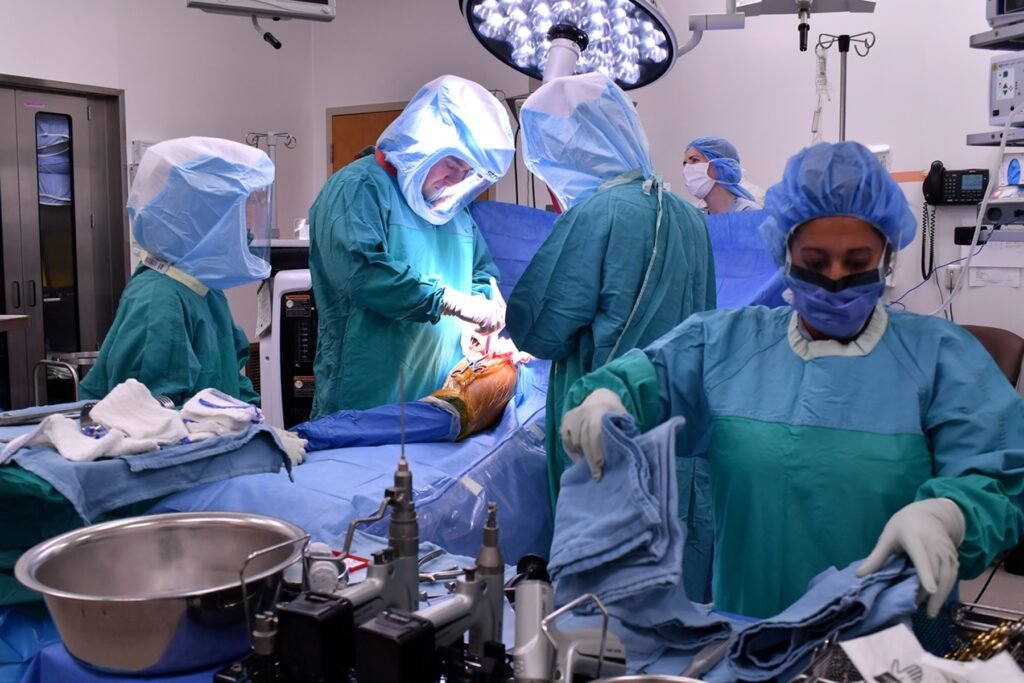
When surgery is recommended, the procedure is planned according to the specific condition and the structures involved.
Recovery depends on the condition being treated and the type of procedure performed. Some problems may improve with conservative treatment, while surgical procedures may require a period of protected weight-bearing and rehabilitation.
Physiotherapy and gradual strengthening can help restore movement, flexibility, balance, and function as healing progresses.
The right treatment can help address the underlying cause of foot or ankle problems rather than simply managing discomfort.
Potential benefits may include:
As with any medical or surgical treatment, foot and ankle procedures can have potential risks. These vary depending on the condition and the type of treatment performed.
Possible risks may include:
Pain that is particularly noticeable during the first few steps after getting out of bed is a common feature of plantar fasciitis. However, other conditions can also cause heel pain, so persistent symptoms should be properly evaluated.
Bunions can gradually become more prominent and painful in some people. Changes in foot alignment may also make certain footwear uncomfortable and affect walking.
Not always. While a bunion changes the appearance of the foot, it can also cause pain, swelling, difficulty wearing shoes, and problems with walking or daily activities.
A sudden Achilles tendon tear may be accompanied by a sharp pain, a popping sensation, swelling, and difficulty pushing off the foot or walking normally. Prompt medical evaluation is important after a suspected rupture.
Yes. Many cases of plantar fasciitis can improve with appropriate non-surgical treatment, exercise, footwear changes, and activity modification. Treatment is tailored to the cause and severity of the symptoms.
Recurring pain may be related to problems such as altered foot mechanics, tendon or ligament issues, structural deformities, overuse, previous injuries, or unsuitable footwear. A proper evaluation can help identify the underlying cause.