
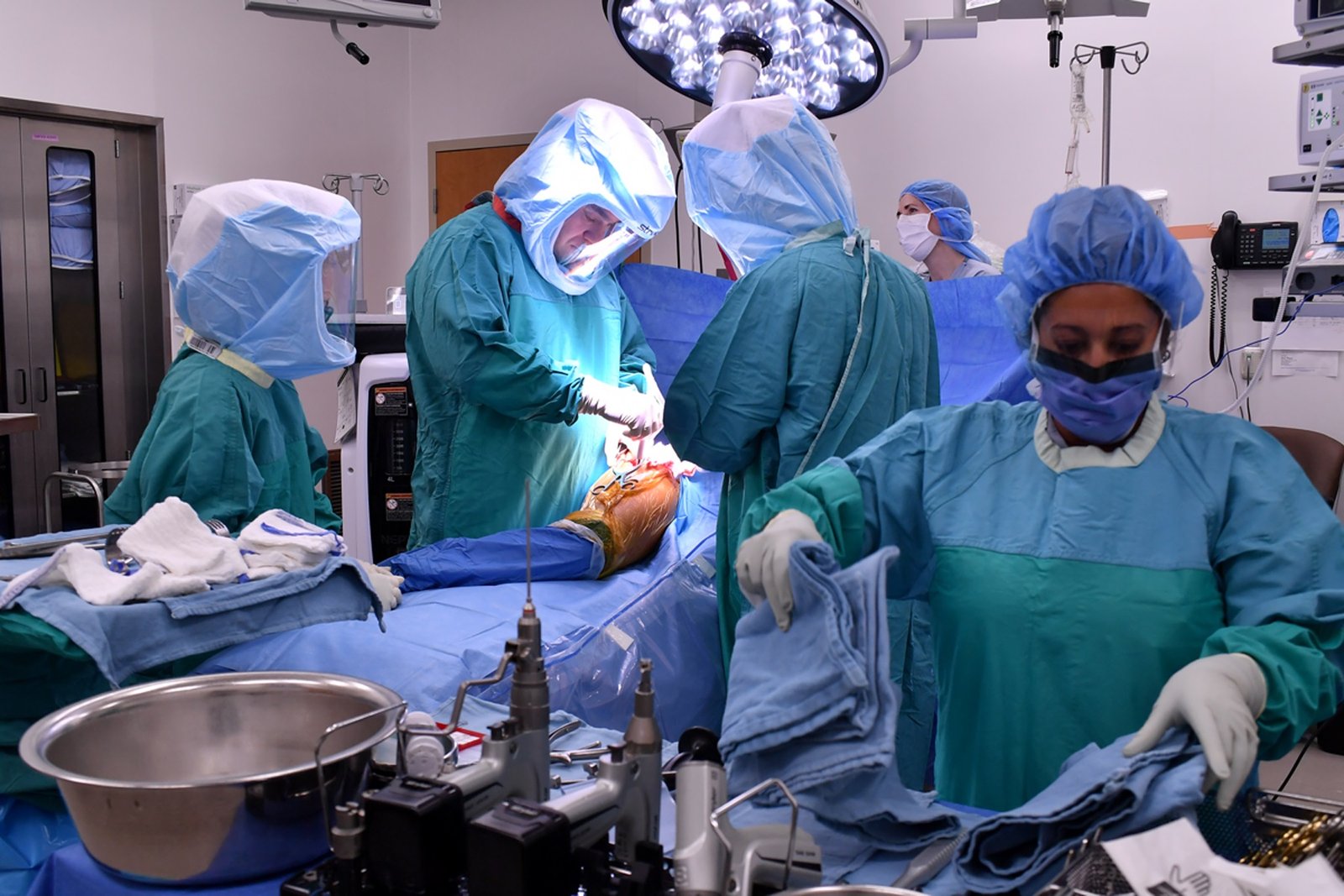
Knee conditions can cause pain, stiffness, swelling, instability and difficulty with everyday activities such as walking, climbing stairs, standing or exercising. Knee problems may develop because of arthritis, sports injuries, ligament or cartilage damage, previous trauma, overuse or age-related changes in the joint.
Dr. Pratik Agarwal, Consultant Orthopaedic & Joint Replacement Surgeon in Siliguri, evaluates and treats a range of knee conditions. Treatment is planned according to the underlying condition, severity of symptoms, activity level and individual patient requirements.
nee osteoarthritis is a degenerative joint condition in which the protective cartilage within the knee gradually wears down. As the condition progresses, the bones and other structures within the joint may become affected, leading to pain, stiffness and reduced mobility.
Knee osteoarthritis is more common with increasing age but may also be associated with previous injuries, excess stress on the joint and other factors.
Common symptoms include:

Symptoms can vary depending on the extent of joint damage.
Knee osteoarthritis may be associated with:
Diagnosis usually begins with a clinical examination and discussion of your symptoms and medical history.
The knee may be assessed for:
X-rays are commonly used to assess joint-space narrowing, changes in bone and other signs of osteoarthritis. Additional investigations may be recommended when required.
Treatment depends on the severity of the condition and its effect on mobility and daily life.
Treatment may include:
The goal is to reduce pain, improve movement and maintain function.
The anterior cruciate ligament (ACL) is one of the major ligaments that helps stabilise the knee. An ACL injury commonly occurs during sports or activities involving sudden changes in direction, twisting or landing.
ACL injuries can range from a partial tear to a complete ligament rupture and may be associated with other knee injuries, including meniscus or cartilage damage.
Common symptoms may include:
ACL injuries commonly occur because of:
Sports such as football, basketball, cricket and skiing can involve movements that place stress on the ACL.
Diagnosis begins with an examination of the knee and discussion of how the injury occurred.
The doctor may assess:
An MRI may be recommended to assess the ACL and identify associated injuries involving the meniscus, cartilage or other structures.
reatment depends on the type of injury, age, activity level, knee stability and associated damage.
Treatment may include:
Not every ACL injury requires surgery. Treatment is determined after evaluating the individual injury and functional requirements.
Dr. Pratik Agarwal evaluates knee injuries and assesses ligament stability, associated damage and functional requirements.
Based on the clinical examination and appropriate imaging, he can recommend a treatment plan ranging from rehabilitation and non-surgical management to surgical treatment where clinically indicated.
The meniscus is a C-shaped piece of cartilage that acts as a cushion between the thigh bone and shin bone inside the knee. A meniscus tear can occur because of a twisting injury or age-related degeneration.
Meniscus injuries may occur during sports or other physical activities and can sometimes occur together with ligament injuries.
Common symptoms include:
meniscus tear may occur because of:
Diagnosis involves a clinical examination and assessment of the injury mechanism and symptoms.
The knee may be assessed for tenderness, range of motion, swelling and signs of instability.
An MRI may be recommended when a meniscus tear or other internal knee injury needs further evaluation.
Treatment depends on the type, size and location of the tear, along with the patient’s symptoms, age and activity requirements.
Treatment may include:
The decision regarding surgery depends on the individual injury and response to appropriate non-surgical treatment.
Dr. Pratik Agarwal evaluates knee injuries and assesses whether symptoms may be related to a meniscus tear or another internal knee problem.
After clinical assessment and appropriate imaging, treatment can be planned according to the injury, symptoms and activity requirements.
Knee pain can result from several different conditions, and similar symptoms may occur with different problems. Identifying the underlying cause is important before deciding on treatment.
Dr. Pratik Agarwal, Consultant Orthopaedic & Joint Replacement Surgeon in Siliguri, provides evaluation and treatment for a range of knee conditions.
His assessment may include:
For patients with advanced knee arthritis, knee replacement may be considered when pain and loss of function significantly affect daily life and other appropriate treatment options are no longer providing sufficient relief.
Common knee conditions include osteoarthritis, ACL injuries, meniscus tears, ligament injuries, cartilage problems, sports injuries and conditions associated with age-related degeneration.
Knee pain can result from arthritis, ligament or meniscus injuries, sports injuries, trauma, overuse, cartilage damage and other conditions affecting the knee joint.
Consider an orthopaedic evaluation if knee pain persists, repeatedly returns, causes swelling or stiffness, affects walking or climbing stairs, or develops following an injury.
Knee osteoarthritis is a degenerative condition in which the cartilage and other structures within the knee gradually undergo changes. It can cause pain, stiffness and reduced mobility.
No. Some ACL injuries can be managed with rehabilitation and non-surgical treatment. Surgery may be considered depending on the severity of the injury, knee instability, activity requirements and associated damage.
Some meniscus tears can be managed with activity modification, physiotherapy and rehabilitation. Treatment depends on the type and location of the tear, symptoms and individual patient factors.
Knee replacement may be considered when advanced knee joint damage causes persistent pain and significant difficulty with everyday activities, particularly when appropriate non-surgical treatments no longer provide adequate relief.
Recovery varies depending on the patient's health, physical condition, type of procedure and rehabilitation. Your surgeon and rehabilitation team can provide an individual recovery plan.
Many knee conditions can initially be managed without surgery through activity modification, physiotherapy, exercises, medicines when prescribed and other appropriate treatments. The right approach depends on the underlying diagnosis.
Dr. Pratik Agarwal evaluates knee conditions and develops treatment plans based on the diagnosis, symptoms, activity level and functional requirements. Treatment may range from conservative management and rehabilitation to arthroscopic procedures or joint replacement when clinically appropriate.
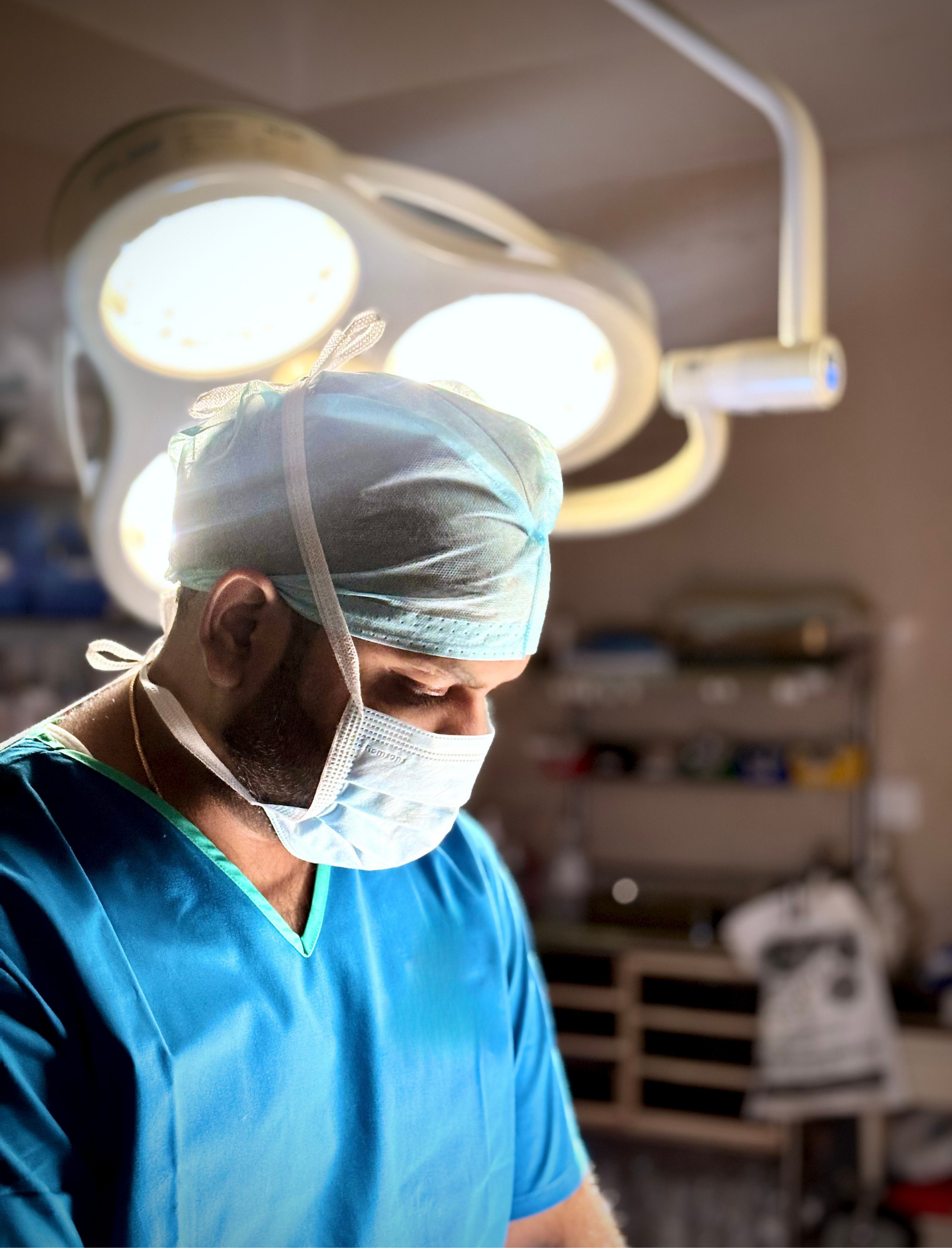
Dr. Pratik Agarwal combines specialised expertise, advanced surgical techniques and personalised care to help patients move with greater comfort and confidence.
Specialised care for painful, damaged knee and hip joints, focused on restoring movement and helping you get back to everyday life.
Modern keyhole techniques for ligament, meniscus, shoulder and sports-related injuries, with treatment adapted to your condition.
From common fractures to complex trauma, expert orthopaedic care focused on stabilising injuries and restoring function.
Every patient is different. Get evidence-based treatment planned around your condition, lifestyle and recovery goals.