
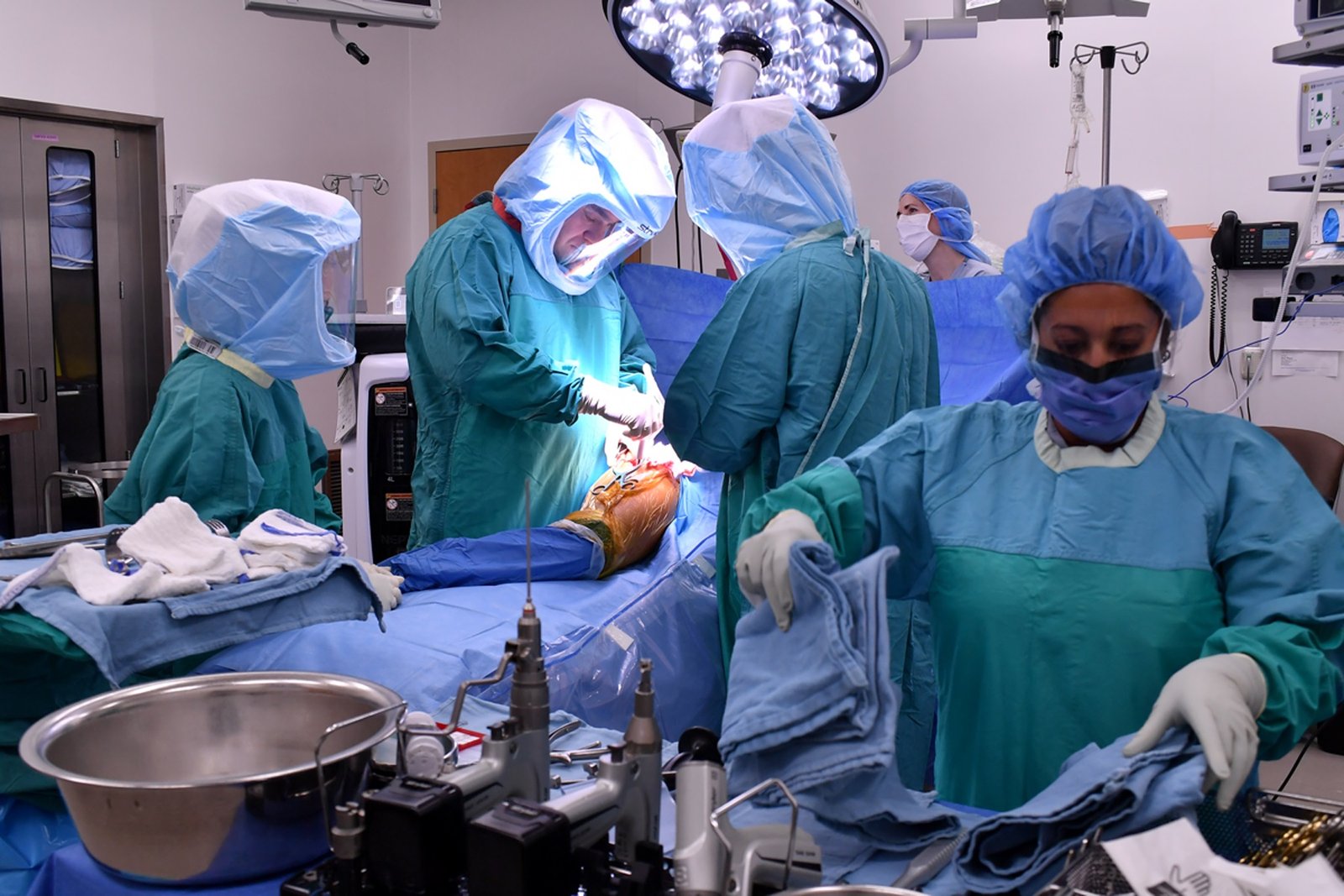
Introduction Sports injuries can cause pain, swelling, weakness and restricted movement, making activities such as running, jumping, changing direction or participating in sports difficult. Sports injuries may affect the bones, joints, ligaments, muscles and tendons.
Common sports injuries include ACL injuries, meniscus tears and ankle sprains.
Dr. Pratik Agarwal, Consultant Orthopaedic & Joint Replacement Surgeon in Siliguri, provides evaluation and treatment for a range of sports-related orthopaedic injuries. Treatment is based on the type and severity of the injury, functional requirements, activity level and individual patient needs.
The anterior cruciate ligament (ACL) is one of the major ligaments that helps stabilise the knee. An ACL injury occurs when the ligament is stretched or torn, often following a sudden twisting movement, change in direction or awkward landing.
ACL injuries are common in sports involving running, jumping and rapid changes in direction and may occur along with injuries to the meniscus or other structures of the knee.
Common symptoms include:
Symptoms can vary depending on whether the ACL injury is partial or complete and whether other structures are also affected.

Frozen shoulder typically develops in stages, with pain and stiffness changing over time. Recovery can take several months, and some patients may experience prolonged restriction of movement without appropriate treatment.
An ACL injury may occur because of:
Diagnosis usually involves a detailed medical history and physical examination.
During the examination, the doctor may assess:
X-rays may be recommended to evaluate the bones and rule out an associated fracture. An MRI may be advised to assess the ACL and identify associated injuries involving the meniscus, cartilage or other structures.
Treatment depends on the type, size and location of the tear, severity of symptoms, activity level and associated knee problems.
Non-surgical treatment may include:
Surgery may be considered for selected patients with persistent symptoms, mechanical problems or injuries that do not improve with appropriate non-surgical treatment.
Where surgery is clinically indicated, an arthroscopic procedure may be considered.
The meniscus is a cushion of cartilage within the knee that helps absorb load and supports normal joint movement. A meniscus tear occurs when this cartilage is damaged, often because of a twisting movement or sports-related injury.
Meniscus tears may occur on their own or along with other knee injuries such as an ACL injury.
Common symptoms include:
Some meniscus tears may cause symptoms gradually, while others may produce sudden pain following an injury.
A meniscus tear may occur because of:
Diagnosis begins with a clinical examination of the knee.
The doctor may assess:
X-rays may be recommended to evaluate the bones and identify associated changes. An MRI may be advised to assess the meniscus and other structures within the knee.
Treatment depends on the size and location of the tear, the severity of symptoms, the patient’s age, activity level, and the presence of other shoulder problems.
Non-surgical treatment may include:
Surgery may be considered for selected patients with persistent pain, significant weakness, acute traumatic tears, or tears that do not improve with conservative treatment.
Arthroscopic rotator cuff repair is a minimally invasive procedure that may be used to repair damaged tendons when surgery is indicated.
Dr. Pratik Agarwal can evaluate knee pain, swelling, locking or restricted movement to determine whether a meniscus injury may be responsible for the symptoms.
Based on the clinical assessment and appropriate imaging, he can recommend a treatment plan suited to the patient’s condition and activity requirements.
Where surgery is clinically indicated, an arthroscopic procedure may be considered. Rehabilitation following treatment is an important part of restoring knee movement, strength and function.
An ankle sprain occurs when one or more ligaments supporting the ankle are stretched or torn. It commonly occurs when the ankle twists, rolls or turns beyond its normal movement.
Ankle sprains are common sports injuries and may occur while running, jumping, landing or changing direction.
Common symptoms include:
The severity of symptoms depends on the extent of ligament injury.
An ankle sprain may occur because of:
Diagnosis involves a physical examination and assessment of how the injury occurred.
The doctor may assess:
X-rays may be recommended when a fracture needs to be ruled out. In selected cases, an MRI or other imaging investigation may be advised to assess ligament or other soft-tissue injuries.
Treatment depends on the severity of the ligament injury and the patient’s symptoms and activity requirements.
Treatment may include:
Most ankle sprains can be managed without surgery. Further treatment may be considered for selected patients with persistent instability or associated structural injuries.
Dr. Pratik Agarwal can evaluate ankle pain, swelling and instability following a sports injury to determine the extent of the injury.
Based on the clinical assessment and appropriate imaging, he can recommend a treatment plan suited to the patient’s injury and activity requirements.
Rehabilitation can play an important role in restoring ankle movement, strength and stability and reducing the risk of recurrent injury.
Sports injuries can have several different causes, and similar symptoms may occur with different injuries. Identifying the underlying problem is therefore important before deciding on treatment.
Dr. Pratik Agarwal, Consultant Orthopaedic & Joint Replacement Surgeon in Siliguri, evaluates and treats a range of sports-related orthopaedic injuries.
His approach may include:
Whether you are experiencing a knee ligament injury, meniscus tear or ankle sprain, an appropriate evaluation can help determine the cause of your symptoms and guide treatment.
Treatment recommendations are based on the injury, severity of symptoms, functional requirements, activity level and individual recovery goals.
Common sports injuries include ligament injuries, meniscus tears, ankle sprains, muscle strains, tendon injuries and fractures.
You should consider an orthopaedic evaluation if you experience significant pain, swelling, instability, restricted movement, difficulty bearing weight or symptoms that do not improve after an injury.
An ACL injury occurs when the anterior cruciate ligament of the knee is stretched or torn. It commonly occurs following sudden twisting, changes in direction or awkward landings.
No. Some ACL injuries can be managed with appropriate non-surgical treatment depending on the injury, knee stability, activity level and individual requirements. Surgery may be considered in selected patients.
Some meniscus tears can be managed with activity modification, physiotherapy and rehabilitation. Treatment depends on the type and location of the tear, symptoms and associated injuries.
Treatment depends on the severity of the injury and may include activity modification, ankle support, physiotherapy, mobility and strengthening exercises and gradual return to sports.
Recovery varies depending on the type and severity of the injury, treatment approach, activity level and rehabilitation. Individual recovery times can differ significantly.
Many patients can return to sports after appropriate treatment and rehabilitation. The timing depends on recovery of movement, strength, stability and functional ability.
Some sports injuries can recur, particularly when strength, movement, stability or rehabilitation has not been fully restored. Appropriate rehabilitation and gradual return to activity can help reduce the risk of reinjury.
Dr. Pratik Agarwal evaluates sports-related orthopaedic injuries and develops treatment plans based on the diagnosis, severity of the injury and activity requirements. Treatment may include non-surgical management, rehabilitation and arthroscopic procedures when clinically indicated.
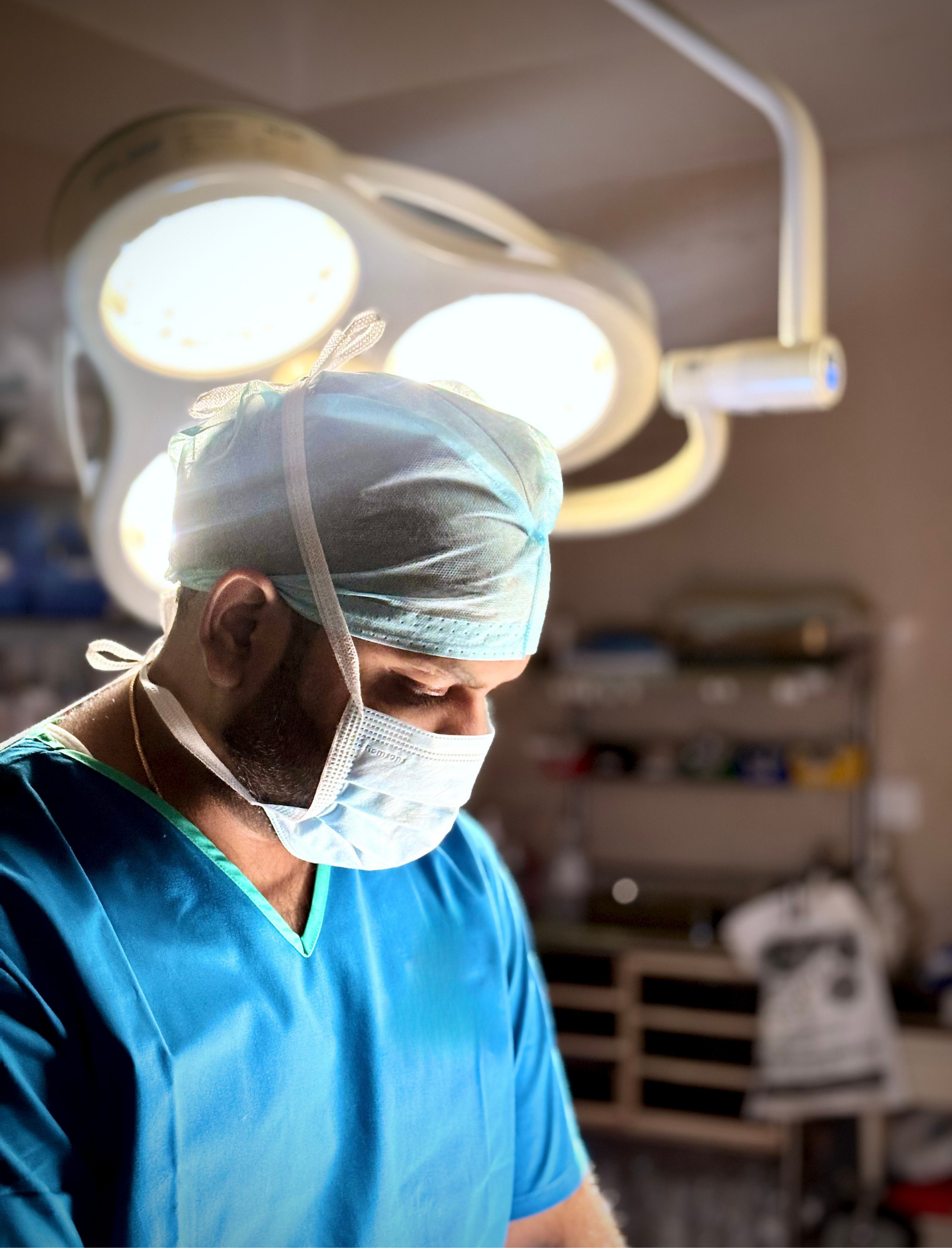
Dr. Pratik Agarwal combines specialised expertise, advanced surgical techniques and personalised care to help patients move with greater comfort and confidence.
Specialised care for painful, damaged knee and hip joints, focused on restoring movement and helping you get back to everyday life.
Modern keyhole techniques for ligament, meniscus, shoulder and sports-related injuries, with treatment adapted to your condition.
From common fractures to complex trauma, expert orthopaedic care focused on stabilising injuries and restoring function.
Every patient is different. Get evidence-based treatment planned around your condition, lifestyle and recovery goals.