Sports Medicine focuses on the prevention, diagnosis, treatment, and rehabilitation of injuries that affect people who participate in sports, exercise, or physically demanding activities.
Sports injuries can affect muscles, bones, joints, ligaments, and tendons. From a sudden injury on the field to pain caused by repetitive movement, timely treatment can help prevent the problem from affecting your mobility and performance.
Depending on the type and severity of the injury, treatment may include rest, medication, physiotherapy, activity modification, or a surgical procedure when necessary.
You may need an orthopaedic evaluation if you experience:
Sports injuries can happen due to falls, sudden movements, overuse, poor technique, or direct impact. Treatment is planned according to the affected area, severity of the injury, and your activity level.
Sports Injuries May Include:
Ligaments are strong bands of tissue that connect bones and help keep joints stable. A sudden twist, fall, change in direction, or impact during sports can cause a ligament to stretch or tear.
Depending on the ligament involved and the extent of the injury, treatment may involve rehabilitation or surgical repair/reconstruction to help restore joint stability and function.
Ligament Injuries May Include:
Tendons connect muscles to bones and help produce movement. Repetitive stress, sudden force, or a sports injury can cause a tendon to become inflamed, damaged, or torn.
Treatment depends on the location and severity of the injury. In selected cases, tendon repair may be recommended when the tendon has suffered a significant tear or when appropriate non-surgical treatment does not provide sufficient recovery.
Tendon Injuries May Include:
Treatment begins with a detailed assessment of your symptoms, injury history, physical activity, and joint movement. Imaging tests such as X-rays, ultrasound, or MRI may be recommended when required.
Your treatment plan is based on factors such as:
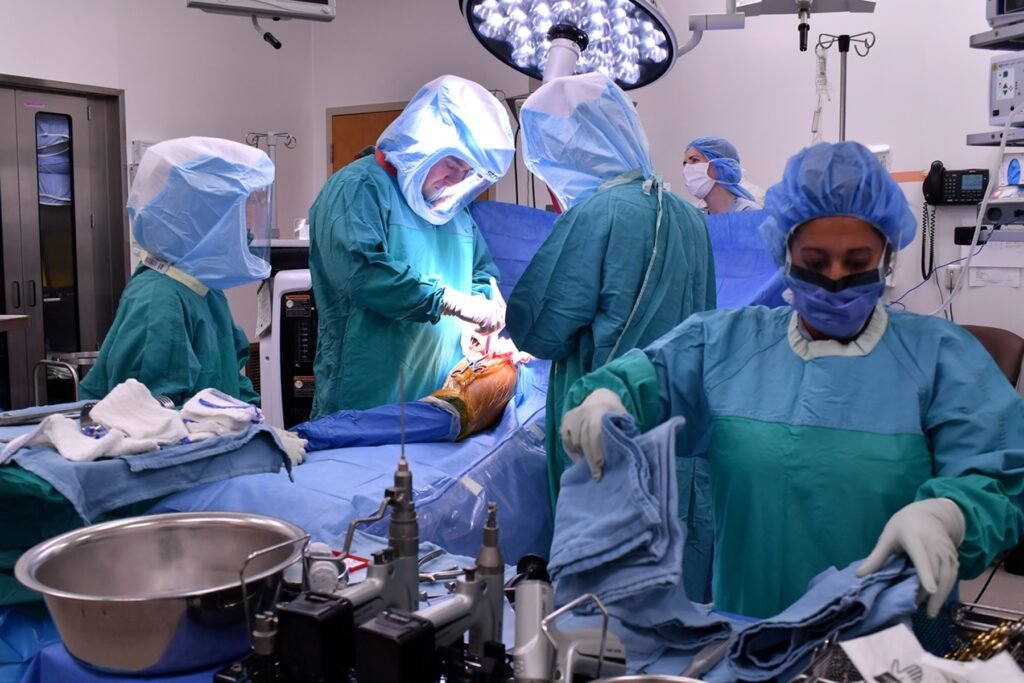
When surgery is required, the procedure is carefully planned to address the damaged ligament, tendon, or other affected tissue while supporting the best possible functional recovery.
Recovery depends on the type of injury and the treatment provided. Some injuries improve with rehabilitation and activity modification, while ligament or tendon repair may require a longer period of structured recovery.
Physiotherapy plays an important role in restoring strength, flexibility, balance, and movement. Your return to sports or strenuous activities should be gradual and guided by your recovery.
Effective sports injury treatment is not only about relieving pain. It focuses on helping you regain movement, strength, stability, and confidence in the affected body part.
Potential benefits may include:
Recovery varies from person to person and depends on the nature of the injury, treatment, rehabilitation, and individual healing response.
Sports injury treatment is generally planned to minimise complications, but every treatment and surgical procedure can have potential risks.
These may include:
Common sports injuries include ligament tears, tendon injuries, muscle strains, meniscus injuries, joint dislocations, and sports-related fractures. The type of injury often depends on the sport and the movement involved.
No. Many sports injuries can be managed with rest, physiotherapy, medication, activity modification, and other non-surgical treatments. Surgery may be considered when the injury is severe or when non-surgical treatment does not provide adequate recovery.
Pain, swelling, instability, difficulty putting weight on the joint, or a popping sensation at the time of injury may indicate ligament damage. An orthopaedic evaluation and appropriate imaging can help determine the extent of the injury.
Some ligament injuries can heal with appropriate rehabilitation, while others may require surgical treatment depending on the ligament involved, severity of the tear, joint instability, and your activity requirements.
Recovery varies depending on the tendon involved, severity of the tear, treatment provided, and individual healing. Rehabilitation is usually an important part of recovery and should progress gradually.
Return to sports depends on your recovery, strength, joint stability, range of movement, and the type of injury or treatment. Returning too early can increase the risk of re-injury, so a gradual return is recommended.