
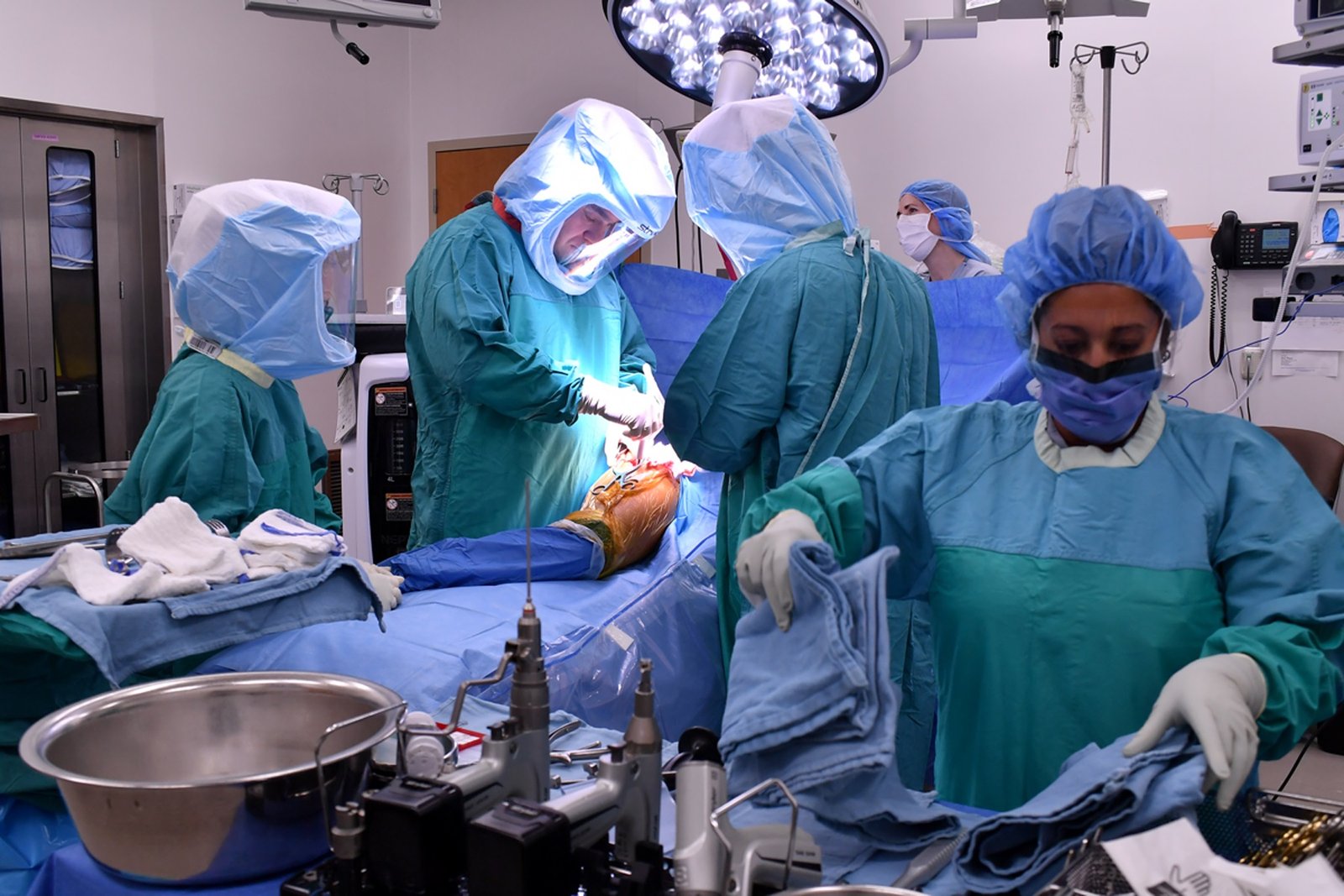
Orthopaedic conditions can affect the bones, joints, muscles, ligaments and tendons, often causing pain, stiffness, weakness or difficulty with movement. Some conditions develop gradually due to ageing, wear and tear or repetitive stress, while others may occur following an injury or trauma.
Dr. Pratik Agarwal, Consultant Orthopaedic & Joint Replacement Surgeon in Siliguri, evaluates and treats a range of orthopaedic conditions affecting different parts of the musculoskeletal system. Treatment is planned according to the diagnosis, severity of the condition, functional limitations and individual needs.
Osteoarthritis is a common joint condition in which the protective cartilage within a joint gradually wears down. It can affect weight-bearing joints such as the knee and hip, as well as other joints, and may progressively interfere with everyday activities.
Common symptoms of osteoarthritis may include:
The severity and progression of symptoms can vary from person to person.

Frozen shoulder typically develops in stages, with pain and stiffness changing over time. Recovery can take several months, and some patients may experience prolonged restriction of movement without appropriate treatment.
Osteoarthritis may develop due to several factors, including:
Not everyone with joint pain has osteoarthritis, so appropriate evaluation is important.
Diagnosis generally begins with a detailed medical history and physical examination. Dr. Pratik Agarwal may assess:
X-rays are commonly used to assess changes within the joint. Additional imaging may be recommended when clinically required.
Treatment depends on the severity of symptoms and the condition of the joint. Depending on the individual case, treatment may include:
The aim is to reduce symptoms, improve mobility and help maintain function.
Tendons connect muscles to bones, while ligaments connect bones to each other and help provide stability to joints. Problems involving these structures can occur because of sports injuries, falls, repetitive movements, overuse or other forms of trauma.
Depending on the affected structure, symptoms may include:
Symptoms can vary depending on whether the problem involves a tendon, ligament or surrounding structures.
Common causes and contributing factors include:
Diagnosis usually involves a detailed history and physical examination. The affected area may be assessed for:
Depending on the suspected problem, investigations such as X-rays, ultrasound or MRI may be recommended.
Treatment depends on the affected structure and severity of the injury. It may include:
The treatment plan is individualised according to the injury and the patient’s functional requirements.
Dr. Pratik Agarwal evaluates tendon and ligament problems through a detailed clinical assessment and, when required, appropriate imaging.
Depending on the diagnosis, he may recommend non-surgical treatment, physiotherapy and rehabilitation or further orthopaedic management. For selected injuries where surgery is clinically appropriate, surgical treatment may also be considered based on the condition and individual requirements.
Bursae are small fluid-filled structures that help reduce friction between tissues around joints. Bursitis occurs when a bursa becomes irritated or inflamed.
It can affect different parts of the body, including areas around the shoulder, hip, elbow and knee.
Symptoms may include:
Symptoms may become more noticeable during activities that repeatedly put pressure on the affected area.
Bursitis may develop due to:
Diagnosis generally involves discussing the symptoms and examining the affected area.
Dr. Pratik Agarwal may assess:
Imaging may be recommended when necessary to assess the affected structures or rule out other causes of symptoms.
Treatment depends on the severity and underlying cause. Depending on the individual case, treatment may include:
Persistent or recurrent symptoms should be evaluated to determine whether another underlying condition is contributing to the problem.
Dr. Pratik Agarwal evaluates persistent joint-area pain and swelling to identify whether bursitis or another musculoskeletal condition may be responsible.
After clinical assessment and appropriate investigations, treatment can be planned according to the underlying cause and severity. This may include non-surgical management, physiotherapy and rehabilitation, with further orthopaedic treatment considered when clinically required.
Dr. Pratik Agarwal provides evaluation and treatment for a range of orthopaedic conditions affecting the bones, joints and soft tissues.
Depending on the condition, assessment may include:
Treatment is planned according to the individual diagnosis and may include non-surgical management, medicines when prescribed, physiotherapy and rehabilitation, activity modification and other supportive measures.
For selected patients, advanced orthopaedic procedures such as arthroscopic treatment may be considered where clinically indicated. Joint-preserving procedures or joint replacement may also be considered for appropriate patients with significant joint damage.
The focus is on identifying the cause of symptoms and developing an appropriate treatment plan based on the patient’s condition, functional needs and overall health.
An orthopaedic doctor evaluates and treats conditions affecting the bones, joints, muscles, ligaments, tendons and other parts of the musculoskeletal system. These may include joint problems, injuries, fractures, arthritis and other conditions affecting movement and function.
You may consider an orthopaedic evaluation if you have persistent joint or musculoskeletal pain, stiffness, swelling, reduced movement, weakness, instability or difficulty performing everyday activities.
No. Joint pain can have several possible causes, including injuries, tendon or ligament problems, bursitis, inflammation and other musculoskeletal conditions. A clinical evaluation can help determine the likely cause.
Many orthopaedic conditions can initially be managed with non-surgical approaches such as activity modification, physiotherapy, rehabilitation and medicines when prescribed. The appropriate treatment depends on the diagnosis and severity.
Joint replacement may be considered when a joint has significant damage and pain or loss of function continues to interfere with daily life despite appropriate non-surgical treatment.
Depending on the symptoms and suspected condition, an orthopaedic evaluation may involve a physical examination along with investigations such as X-rays, ultrasound or MRI.
Yes. Some previous injuries can contribute to persistent pain, stiffness, instability or degenerative changes over time. An assessment can help determine whether an old injury may be contributing to current symptoms.
Joint stiffness can have several causes, including arthritis, previous injuries, inflammation, prolonged inactivity and other musculoskeletal conditions. The underlying cause needs to be assessed before deciding on treatment.
Recurring joint pain should not simply be ignored, particularly when it affects movement or daily activities. An orthopaedic assessment can help identify the underlying cause and appropriate treatment options.
Dr. Pratik Agarwal evaluates orthopaedic conditions through clinical examination and appropriate investigations and provides treatment based on the diagnosis. Depending on the condition, management may include non-surgical treatment, rehabilitation, arthroscopic procedures or joint replacement when clinically appropriate.
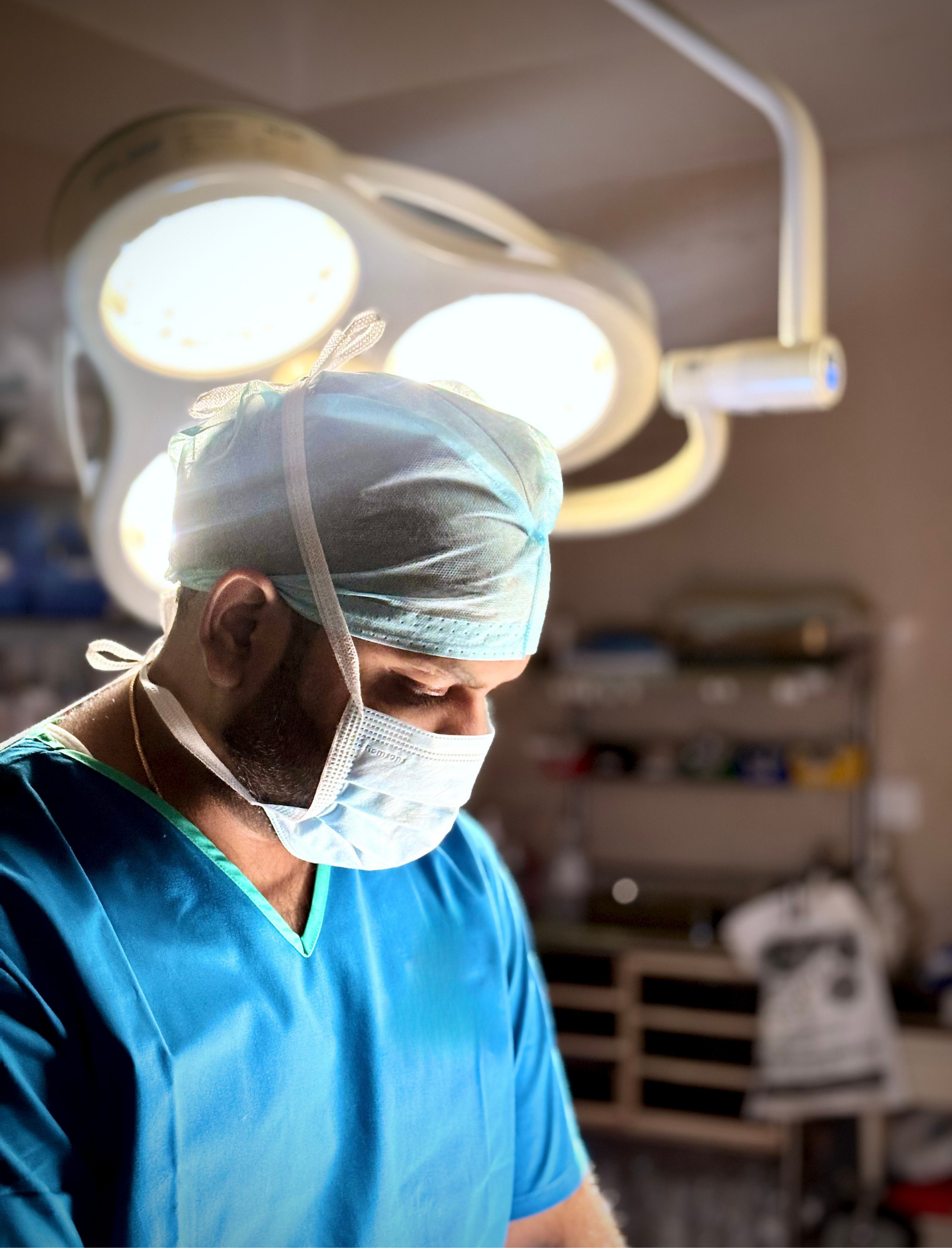
Dr. Pratik Agarwal combines specialised expertise, advanced surgical techniques and personalised care to help patients move with greater comfort and confidence.
Specialised care for painful, damaged knee and hip joints, focused on restoring movement and helping you get back to everyday life.
Modern keyhole techniques for ligament, meniscus, shoulder and sports-related injuries, with treatment adapted to your condition.
From common fractures to complex trauma, expert orthopaedic care focused on stabilising injuries and restoring function.
Every patient is different. Get evidence-based treatment planned around your condition, lifestyle and recovery goals.