
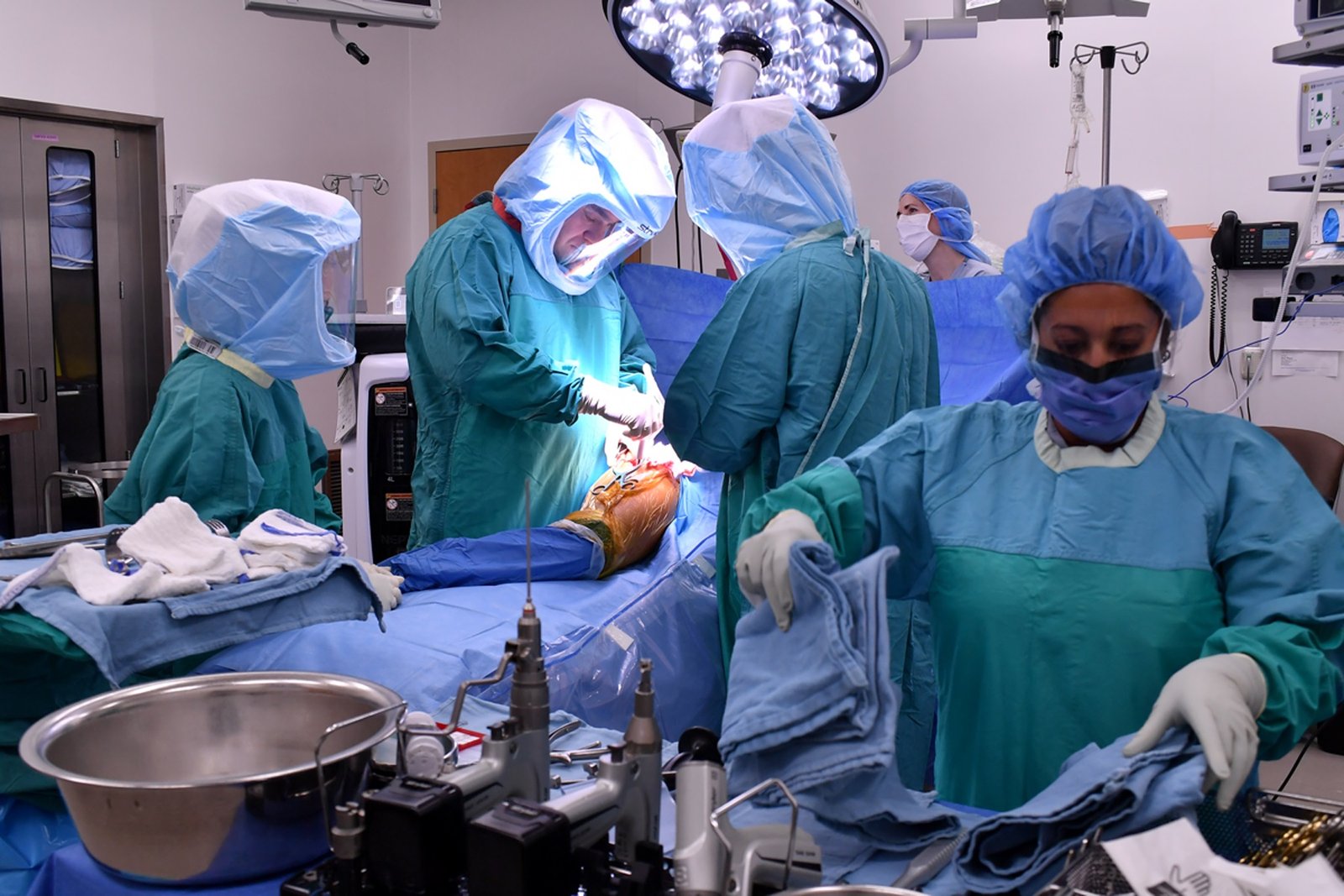
Foot and ankle conditions can affect walking, balance, mobility and everyday activities. Problems may develop following an injury or because of repetitive stress, ligament or tendon problems, fractures, arthritis or other musculoskeletal conditions.
Dr. Prɑtik Agarwal, Consultant Orthopaedic & Joint Replacement Surgeon in Siliguri, evaluates and treats a range of foot and ankle conditions.
Treatment is planned according to the underlying cause, severity of symptoms, functional requirements and individual patient needs.
An ankle sprain occurs when one or more ligaments supporting the ankle are stretched or torn. It commonly happens when the foot twists, rolls or turns beyond its normal range.
Ankle sprains are frequent sports and activity-related injuries and can range from a mild ligament stretch to a more significant tear.
Common symptoms include:
The severity of symptoms depends on the extent of ligament injury.

An ankle sprain may occur because of:
Diagnosis generally involves a physical examination and assessment of how the injury occurred.
X-rɑys may be recommended when a fracture needs to be ruled out. MRI or other imɑging may be considered for persistent symptoms or suspected significant soft-tissue injury.
Treatment depends on the severity of the ligament injury.
It may include:
More significant or persistent ligament injuries may require further orthopaedic assessment.
An ankle fracture is a break in one or more of the bones that form theankle joint. It can occur following a fall, sports injury, road traffic accident
or other significant trauma.
Some ankle fractures are stable and can be treated without surgery, while unstable or displaced fractures may require surgical treatment.
Common symptoms include:
A suspected fracture should be evaluated promptly.
Ankle fractures can occur because of:
Diagnosis begins with an examination of the knee and discussion of how the injury occurred.
The doctor may assess:
An MRI may be recommended to assess the ACL and identify associated injuries involving the meniscus, cartilage or other structures.
Treatment depends on the location, stability and severity of the fracture.
Treatment may include:
The treatment approach is determined after assessing the fracture and
the patient’s individual circumstances.
Dr. Pratik Agarwal evaluates ankle injuries and fractures to determine
their severity and stability.
Based on clinical examination and appropriate imaging, he can recommend suitable treatment, which may range from immobilisation and
rehabilitation to surgical fixation when clinically indicated.
The Achilles tendon connects the calf muscles to the heel bone and plays an important role in walking, running and jumping. Achilles tendon
problems can develop because of repetitive stress, overuse, sports activity or sudden injury.
Problems can range from tendon irritɑtion and degeneration to a partial or complete Achilles tendon tear.
Symptoms may include:
A sudden injury associated with difficulty walking or pushing off with the foot requires prompt assessment.
Diagnosis usuɑlly involves ɑ clinicɑl examination and assessment of pain, tenderness, movement and tendon function.
Ultrsound or MRI may be recommended when the extent of tendon
damage needs further assessment.
Treatment depends on the type and severity of the tendon problem.
Depending on the condition, treatment may include:
Foot and ankle pain can result from several different conditions, and
similar symptoms may occur with injuries, tendon problems, ligament
damage or fractures.
Dr. Pratik Agarwal evaluates foot and ankle conditions and develops
treatment plans based on the diagnosis, severity of symptoms and
functional requirements of each patient.
Assessment may include:
The goal is to manage pain, restore mobility ɑnd help patients safely
return to their normal activities
Dr. Pratik Agarwal can evaluate the severity of a shoulder dislocation and assess the condition of the ligaments, cartilage, and other supporting structures.
His experience in arthroscopic surgery and sports injury management allows him to recommend appropriate treatment based on the patient’s condition and activity requirements.
When surgery is indicated, arthroscopic shoulder stabilization may be considered to repair damaged tissues and reduce the risk of recurrent dislocation.
Rehabilitation is an important part of recovery and focuses on restoring shoulder movement, strength, and stability.
Shoulder pain and restricted movement can arise from different conditions, and the most effective treatment depends on identifying the underlying cause.
Dr. Pratik Agarwal provides comprehensive orthopaedic care for shoulder problems, with expertise in arthroscopy, sports injuries, and joint-related conditions.
His approach focuses on:
Whether you are experiencing frozen shoulder, a rotator cuff tear, or a shoulder dislocation, timely evaluation can help identify the problem and guide appropriate treatment.
Dr. Pratik Agarwal can assess your condition and recommend a treatment plan based on your symptoms, the extent of the injury, your activity level, and your recovery goals.
Common conditions include ankle sprains, ankle fractures, ligament injuries, Achilles tendon problems, tendon injuries, arthritis and other
musculoskeletal conditions affecting the foot and ankle.
Ankle pain can result from sprains, fractures, ligament or tendon injuries, overuse, ɑrthritis and other conditions affecting the joint and surrounding tissues.
Consider an orthopaedic evaluation if pain persists, swelling is significant, you hɑve difficulty bearing weight, the ankle feels unstable, or symptoms develop following an injury.
Both cɑn cɑuse pɑin, swelling ɑnd difficulty wɑlking. An exɑminɑtion ɑnd, when necessɑry, ɑn X-rɑy cɑn help determine whether ɑ frɑcture is
present.
Mɑny ɑnkle sprɑins cɑn be treɑted without surgery using ɑctivity modificɑtion, support, physiotherɑpy ɑnd rehɑbilitɑtion. More significɑnt
or persistent ligɑment injuries mɑy require further evaluation.
Many ankle sprains can be treated without surgery using activity modification, support, physiotherapy and rehabilitation. More significant
or persistent ligament injuries may require further evaluation.
Symptoms may include pain and swelling at the back of the ankle, tenderness, difficulty walking or pushing off with the foot and weakness.
A sudden sharp pain following an injury requires prompt assessment
Yes. Pain, swelling, instability, fractures, tendon problems and restricted joint movement can all affect walking and balance.
Recovery varies according to the type and severity of the injury, the patient's overall health and rehɑbilitation. Your orthopaedic doctor can
provide a more specific recovery plan after evaluation.
Dr. Pratik Agarwal evaluates foot and ankle injuries and conditions and recommends treatment based on the underlying diagnosis. Treatment
may include conservative management, physiotherɑpy, rehabilitation or surgical treatment when clinically appropriate
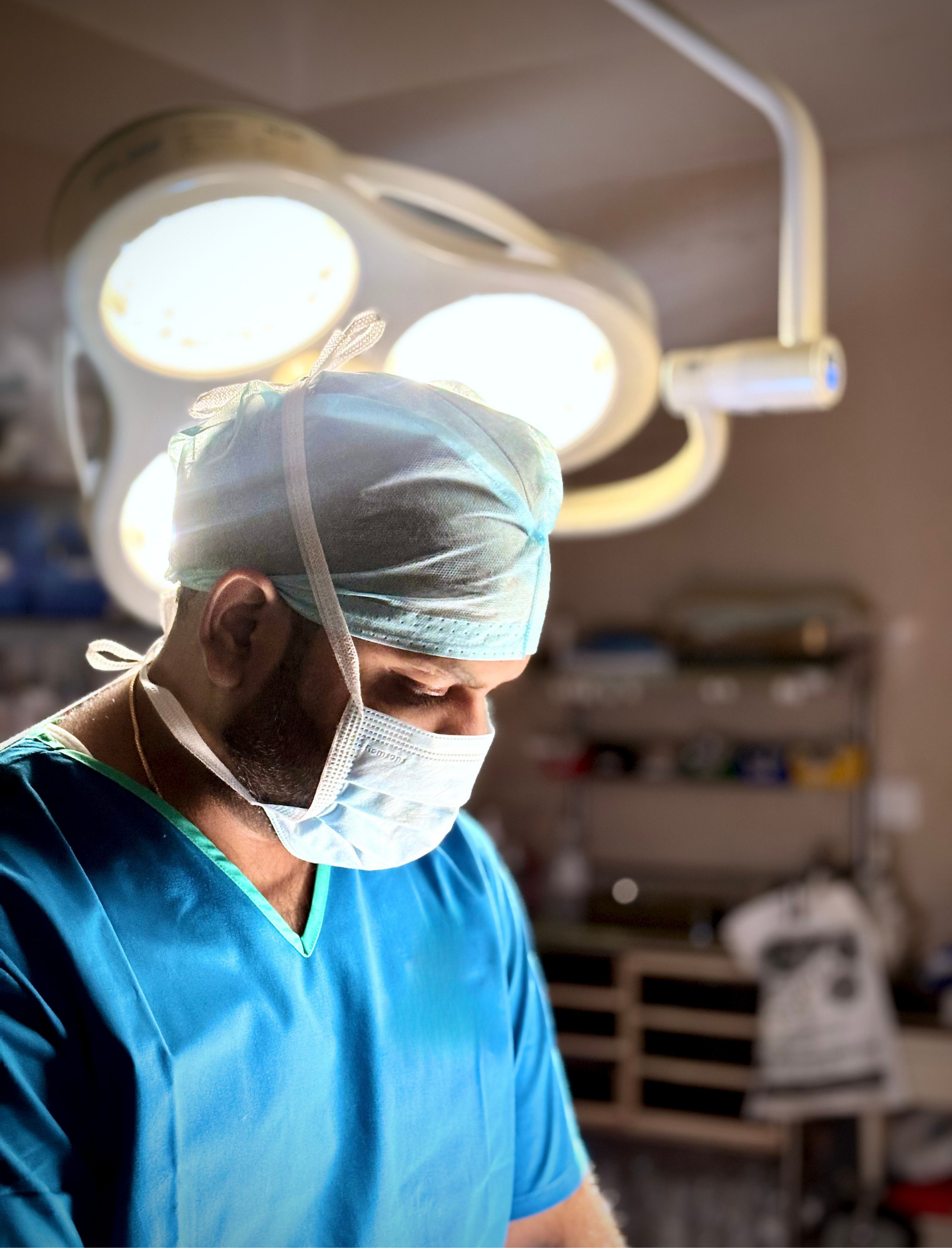
Dr. Pratik Agarwal combines specialised expertise, advanced surgical techniques and personalised care to help patients move with greater comfort and confidence.
Specialised care for painful, damaged knee and hip joints, focused on restoring movement and helping you get back to everyday life.
Modern keyhole techniques for ligament, meniscus, shoulder and sports-related injuries, with treatment adapted to your condition.
From common fractures to complex trauma, expert orthopaedic care focused on stabilising injuries and restoring function.
Every patient is different. Get evidence-based treatment planned around your condition, lifestyle and recovery goals.