


Joint Replacement

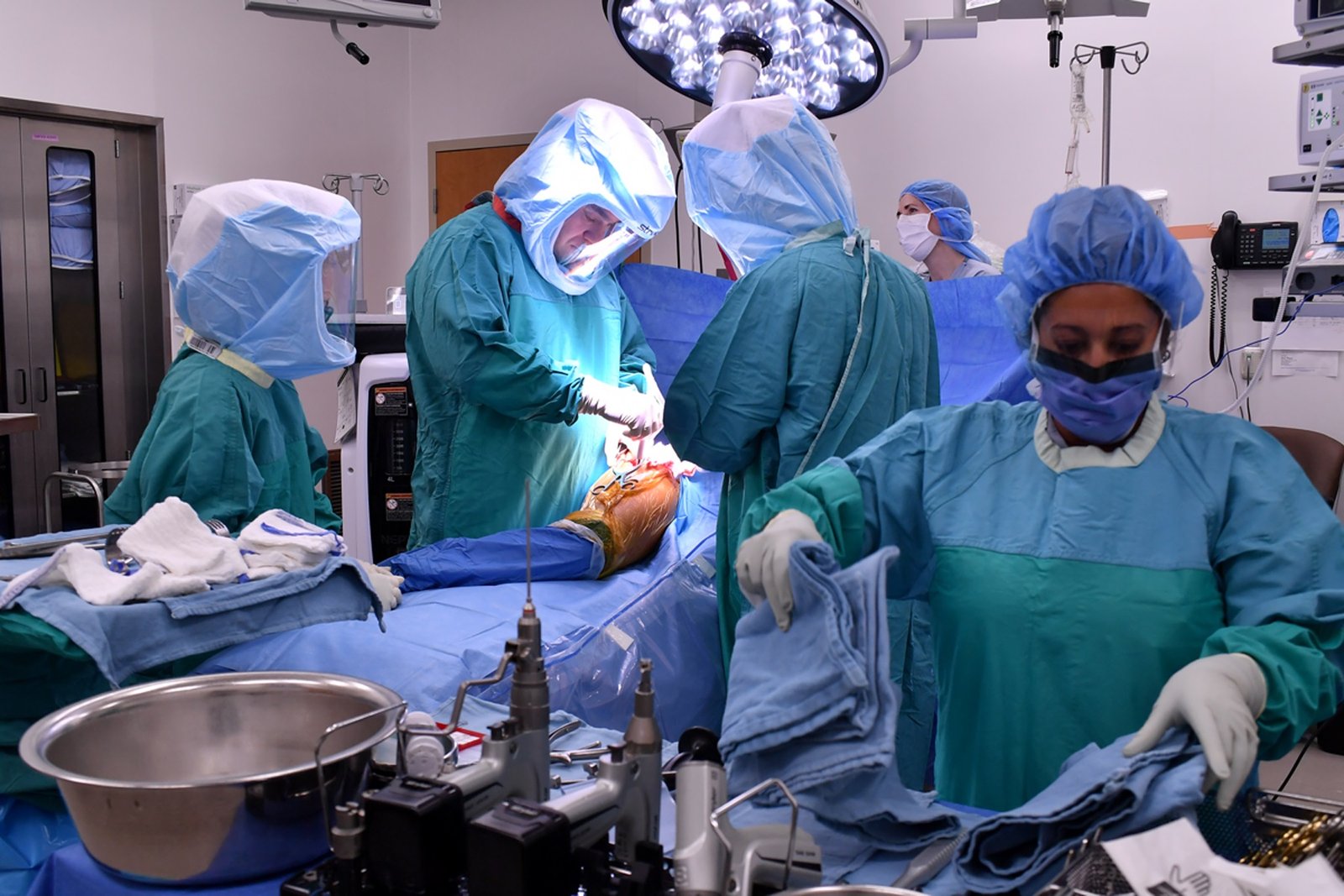
Joint replacement is a surgical procedure in which a damaged or severely worn-out joint is replaced with an artificial joint.

Conditions such as advanced arthritis, severe cartilage damage, previous injuries or degeneration can cause the joint surfaces to become rough and painful.

The goal is simple — reduce pain, restore movement and help you move with greater confidence.

When Should You Consider Joint Replacement?

Joint replacement is generally considered when joint damage has become significant and starts interfering with everyday life.

You may need an evaluation if you experience:

  • Persistent joint pain despite non-surgical treatment
  • Difficulty walking or climbing stairs
  • Pain that interferes with sleep
  • Stiffness and restricted joint movement
  • Difficulty performing routine activities
  • Advanced arthritis or severe joint degeneration
  • Significant joint damage following an injury

What Are The Types?

Total Knee Replacement

Total knee replacement surgery involves replacing the damaged surfaces of the knee joint with artificial components. It is generally considered when significant damage affects multiple areas of the knee and causes persistent pain, stiffness and difficulty with movement.

Total Knee Replacement may be considered for:

  • Advanced knee osteoarthritis
  • Severe cartilage wear and tear
  • Persistent knee pain and stiffness
  • Significant damage affecting multiple compartments of the knee
  • Difficulty walking or climbing stairs
  • Knee deformity caused by advanced arthritis
  • Joint damage that has not improved with other treatments

Experienced LASIK Specialists

Expert ophthalmologists delivering personalized laser vision correction.
Experienced LASIK Specialists

Expert ophthalmologists delivering personalized laser vision correction.

Experienced LASIK Specialists

Expert ophthalmologists delivering personalized laser vision correction.

Experienced LASIK Specialists

Expert ophthalmologists delivering personalized laser vision correction.

Precision You Can Trust
The SGLEH Advantage

Partial Hip Replacement

Partial hip replacement, also known as hemiarthroplasty, involves replacing the damaged ball-shaped portion of the hip joint while preserving the socket. It may be considered in certain conditions where the femoral head is damaged but the hip socket remains suitable.

Partial Hip Replacement May Be Recommended For:

  • Certain severe hip fractures
  • Significant damage to the femoral head
  • Certain types of hip injuries
  • Conditions affecting the blood supply to the femoral head
  • Severe pain and difficulty walking caused by hip damage
  • Selected patients where the hip socket remains relatively healthy

Total Hip Replacement

Total hip replacement surgery replaces both the damaged ball and socket of the hip joint with artificial components. The procedure aims to reduce pain and help restore smoother hip movement and function.

Total Hip Replacement May Be Recommended For:

  • Advanced hip osteoarthritis
  • Severe joint degeneration
  • Significant cartilage damage
  • Persistent hip pain and stiffness
  • Difficulty walking or performing daily activities
  • Severe damage to the hip joint
  • Certain complex hip injuries or conditions affecting the joint

Unicondylar Knee Replacement

Unicondylar knee replacement, also known as partial knee replacement, involves replacing only the damaged compartment of the knee while preserving the healthy parts of the joint. It may be considered when arthritis or damage is limited to one compartment of the knee.

Unicondylar Knee Replacement May Be Considered For:

  • Arthritis limited to a single compartment of the knee
  • Localised cartilage damage
  • Persistent pain in one area of the knee
  • Mild to moderate knee deformity in selected patients
  • Difficulty with walking or everyday activities
  • Knee damage that has not improved with non-surgical treatment
  • Patients with relatively healthy remaining knee compartments

Total Elbow Replacement

Total elbow replacement surgery involves replacing the damaged surfaces of the elbow joint with artificial components. It is performed to reduce pain and improve the function of the elbow when significant joint damage affects movement and everyday activities.

Total Elbow Replacement May Be Considered For:

  • Advanced elbow arthritis
  • Severe joint degeneration
  • Significant cartilage damage
  • Persistent elbow pain and stiffness
  • Severe joint damage following an injury
  • Certain complex elbow fractures
  • Difficulty performing routine activities due to elbow dysfunction

Reverse Shoulder Arthroplasty

Reverse shoulder arthroplasty is a specialised type of shoulder replacement in which the normal ball-and-socket arrangement of the shoulder is reversed. This changes the mechanics of the shoulder and may help improve arm movement in selected patients where the rotator cuff is significantly damaged.

Reverse Shoulder Arthroplasty May Be Considered For:

  • Severe shoulder arthritis associated with rotator cuff damage
  • Rotator cuff tear arthropathy
  • Significant shoulder joint degeneration
  • Severe pain and restricted shoulder movement
  • Certain complex shoulder fractures
  • Failed previous shoulder replacement in selected cases
  • Shoulder conditions where conventional shoulder replacement may not be suitable

What Happens During Joint Replacement Surgery?

Joint replacement surgery is performed under appropriate anaesthesia. The damaged surfaces of the joint are carefully prepared and replaced with specially designed artificial components.

The procedure is planned according to factors such as:

  • The extent of joint damage
  • Bone quality
  • Joint alignment
  • Age and activity level
  • Overall health
  • Individual functional requirements

What Can You Expect After Joint Replacement?

Recovery doesn’t end when the surgery is over.

A structured rehabilitation programme plays an important role in helping you regain strength, flexibility and confidence in the replaced joint.

Depending on the joint replaced and your individual recovery, you may be guided through:

  • Early movement and mobilisation
  • Pain and swelling management
  • Physiotherapy and strengthening exercises
  • Gradual return to daily activities
  • Follow-up consultations to monitor recovery

Benefits of Joint Replacement?

For patients with advanced joint damage, joint replacement can offer meaningful improvements in everyday life.

Potential benefits include:

  • Relief from chronic joint pain
  • Improved joint movement
  • Better ability to perform daily activities
  • Improved walking and mobility
  • Greater independence
  • Improved overall quality of life

The results of surgery can vary from person to person, and appropriate patient selection, surgical planning and rehabilitation are important parts of achieving a good outcome.

Are There Any Risks?

Like any major surgical procedure, joint replacement has potential risks and complications.

These may include:

  • Infection
  • Bleeding or blood clots
  • Swelling and pain
  • Nerve or blood vessel injury
  • Joint stiffness
  • Implant-related complications
  • Dislocation in certain joint replacements
  • Anaesthesia-related complications


Your orthopaedic surgeon will assess your health and discuss the potential benefits, risks and expected recovery before surgery.

Frequently Asked Questions

No. Joint replacement is generally considered when joint damage is advanced and pain or restricted movement continues to significantly affect daily life despite appropriate non-surgical treatment.

Appointment Booking

How To Reach

0%