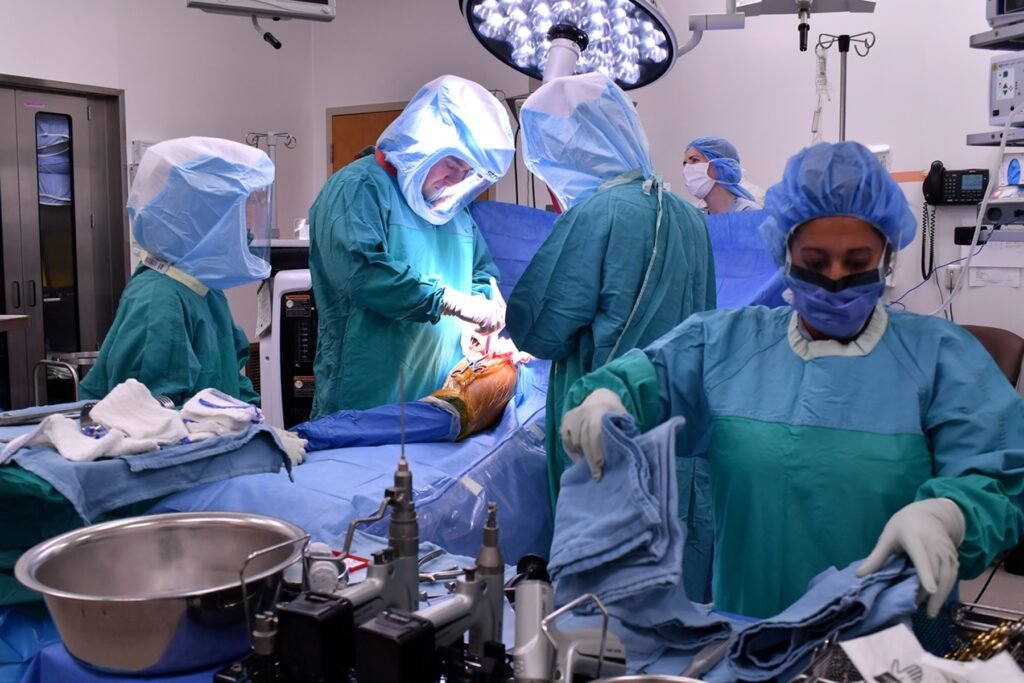
Trauma Care focuses on the diagnosis and treatment of injuries caused by accidents, falls, sports activities, workplace incidents, or other sudden impacts.
Orthopaedic trauma can affect bones, joints, muscles, ligaments, and surrounding tissues. From a simple fracture to a complex injury involving multiple structures, timely assessment and appropriate treatment can make an important difference in recovery.
When Should You Consider Trauma Care?
Some injuries may appear minor initially but can worsen without proper evaluation. Prompt orthopaedic assessment is important when there is a suspected fracture, dislocation, severe pain, or difficulty moving the injured area.
You may need an evaluation if you experience:
Severe pain following an accident or fall
Swelling, bruising, or tenderness around an injured area
Difficulty moving a joint or limb
Inability to put weight on an injured leg or foot
A visible change in the shape or alignment of a limb
A suspected fracture or dislocation
Persistent pain after an injury
What Are The Types?
Fracture Surgery
A fracture occurs when a bone breaks or cracks due to an injury, fall, accident, or significant force. While some fractures can heal with immobilisation or other non-surgical treatment, others may require surgery to restore proper alignment and stability.
Fracture Surgery May Be Considered For:
Displaced or unstable fractures
Complex or multiple fractures
Fractures involving a joint
Open fractures
Fractures that do not heal properly
Fractures that may not respond well to non-surgical treatment
Dislocation Management
A dislocation occurs when the bones forming a joint are forced out of their normal position. It can happen following a fall, collision, accident, or sudden twisting movement.
Treatment focuses on safely restoring the joint to its proper position, managing pain and swelling, and addressing any associated damage to the surrounding tissues.
Dislocation Management May Include:
Shoulder dislocations
Elbow dislocations
Hip dislocations
Knee dislocations
Finger and wrist dislocations
Recurrent joint dislocations
Dislocations associated with fractures
What Happens During Trauma Treatment?
Treatment begins with a detailed assessment of the injury. Depending on the type and severity of trauma, X-rays, CT scans, MRI, or other investigations may be recommended to understand the extent of damage.
Your treatment plan is based on factors such as:
Location and severity of the injury
Type of fracture or dislocation
Damage to surrounding tissues
Joint stability and alignment
Your overall health and activity requirements
Whether surgical or non-surgical treatment is appropriate
When surgery is required, the procedure is planned to restore alignment and stability while supporting proper healing and recovery.
What Can You Expect After Trauma Treatment?
Recovery after an orthopaedic injury depends on the type of trauma, treatment provided, and individual healing. After fracture surgery or dislocation treatment, you may need a period of restricted movement followed by gradual rehabilitation.
Physiotherapy can help restore joint movement, muscle strength, flexibility, and function as healing progresses.
Follow the recommended activity restrictions
Keep the injured area protected during the healing period
Take prescribed medications as advised
Follow your rehabilitation programme
Attend follow-up appointments
Gradually return to normal activities as advised
Benefits of Trauma Treatment?
Timely and appropriate trauma care can help address the injury effectively while reducing the chances of long-term problems.
Potential benefits may include:
Proper alignment and stability of the injured area
Improved healing of fractures
Restoration of joint movement and function
Better management of pain and swelling
Reduced risk of complications from untreated injuries
A structured path towards returning to daily activities
Are There Any Risks?
Traumatic injuries themselves can involve complications, and surgical treatment also carries potential risks. Your treatment plan will depend on the nature and severity of the injury.
Severe pain, swelling, bruising, difficulty moving the affected area, or an abnormal appearance may indicate a fracture. An X-ray or other imaging test may be required to confirm the diagnosis.
No. Some fractures can heal with immobilisation, rest, and appropriate follow-up. Surgery may be recommended when the fracture is displaced, unstable, complex, involves a joint, or is unlikely to heal properly without surgical treatment.
Avoid trying to force the joint back into place yourself. Keep the injured area as still as possible and seek medical attention promptly so the joint can be safely assessed and treated.
Some people may experience recurrent dislocations, particularly when the supporting ligaments or other structures around the joint have been damaged. Further evaluation can help identify the cause and appropriate treatment.
Many dislocations can initially be managed without surgery by carefully restoring the joint position, followed by immobilisation and rehabilitation. Surgery may be considered when there is associated structural damage or recurrent instability.